When I first walked the floor of the client’s flagship distribution center, I could hear the problem before I could measure it. Pallets idled in staging lanes. Drivers lingered in the yard waiting on paperwork. Inside the WMS, orders stacked up like planes in a holding pattern. Lead time from receipt to ship averaged 4.7 days across the network, with spikes above a week during monthly promotions. Inventory planners padded forecasts to protect service, which inflated working capital and masked the underlying issue: our facilities were designed for storage and putaway, not for flow. Cross docking had been discussed in meetings for years, but never truly put into practice. That changed once we committed to integrating a cross dock warehouse node and redesigned the way inventory and information moved.
This is a field account of how we cut average order lead time by 42 to 55 percent across key product families, why certain bets paid off, and which concessions we had to make. The punchline arrived three months after go-live when Monday mornings felt boring again, which is a good sign in logistics. But it took deliberate choices about process, technology, and the physical cross dock facility to get there.
The context and the constraint
The client distributes augecoldstorage.com cross docking san antonio tx home improvement products to 1,100 retail locations and e-commerce customers in six regions. Throughput exceeds 8,000 pallets per week with seasonal surges to 12,000. The legacy footprint relied on three regional warehouses in a spoke-to-hub model. Each site ran a standard inbound process: receive, palletize, put away, pick, pack, and ship. Even with directed putaway and wave picking, latency accumulated at each handoff. Overage in storage locations, slotting conflicts, and reverse logistics all dragged on cycle time.
A cross dock warehouse had existed on paper for two years, but it behaved like an overflow building, not a true flow-through node. Loads came in, sat, and left. We lacked synchronized appointment scheduling, transport collaboration, and the system logic that flags which ASNs should bypass storage. In other words, the label said cross dock, the behavior said mini-DC.
The constraint was clear: perishability wasn’t the issue, but on-shelf availability acted as if it were. Promotions, set changes, and customer expectations could not wait for pallets to touch a rack. We needed a system that could ingest inbound units and dispatch them to outbound carriers in hours, not days, and we had to do it without expanding labor in proportion to throughput.
Defining a true cross docking model for this network
Cross docking is not a slogan. It is a pattern of synchronized flows in which storage is an exception, not the default. The more precise distinction we used with the executive team:
- Flow-through cross docking: Known demand exists before inbound arrives. Units are pre-allocated to outbound orders, and the cross dock facility merges freight with minimal staging, then ships. Opportunistic cross docking: Demand matches appear as inbound is being received. The WMS allocates in real time and diverts units to outbound lanes based on current need. Consolidation cross docking: Multiple suppliers feed a cross dock warehouse where shipments are combined into full truckloads for final destinations.
We deployed all three, weighted by category. Promotional end caps used flow-through. Omnichannel fast movers used opportunistic. Long-tail, vendor-prepackaged assortments used consolidation to protect cube utilization. This hybrid approach matched our demand volatility and vendor performance profile, rather than forcing a single doctrine on everything.
The physical design choices that mattered
Square footage is the lazy lever. Flow definitions, dock layout, and visibility to transportation windows do more work than extra space. We re-striped the 180,000-square-foot building and rebalanced it as follows.
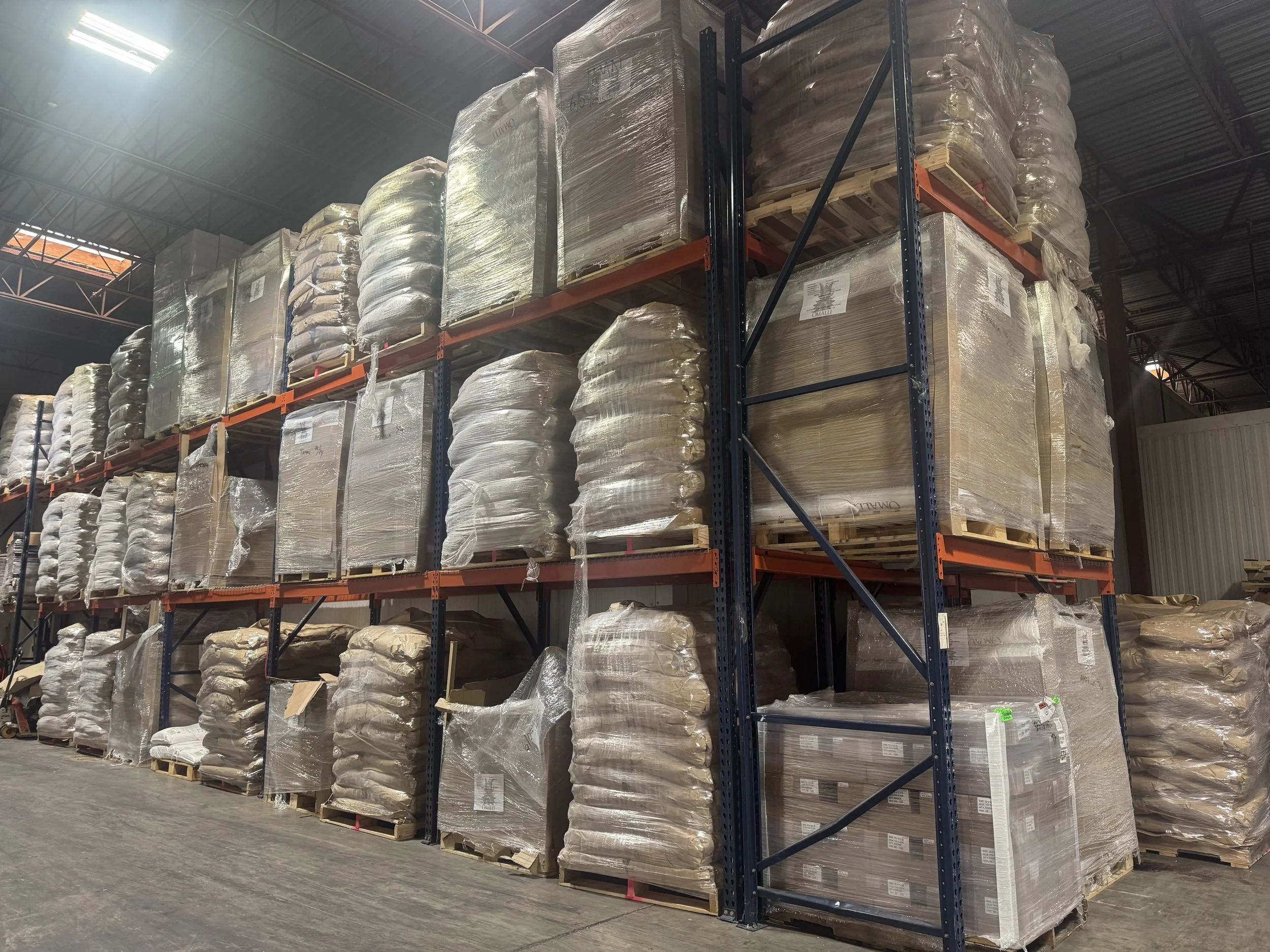
Inbound and outbound gates were paired in a fishbone pattern to reduce forklift travel. Each pair had a shared staging zone sized to 1.4 trailers’ worth of freight, which we learned was enough to cover typical overlap without blocking. We outlined a fast lane for small parcel and a shuttle zone for store-ready mixed SKU pallets. The fast lane sat closest to packing benches and print-and-apply for shipping labels, eliminating cross-traffic with pallet jacks.
Signage mattered as much as scanners. We marked each staging pocket with both a location ID and a visual cue: color bands that matched the corresponding outbound carrier pool. New associates could orient within minutes, and supervisors could spot misroutes from a distance.
The biggest furniture change was mundane. We swapped wire decking on a run of racks for roller conveyors to create a 50-foot gravity flow stretch that handled opportunistic cross dock totes. That single choice pulled 18 minutes out of the average tote’s journey during peak.

We also installed an overhead display that projected live appointment adherence and cut-off times. It showed, in large numerals, the minutes remaining to consolidate loads by destination. When cutoffs are visible, people behave differently. Supervisors stopped hoarding manpower “just in case,” because they could see the actual next crunch.
Data and system integration, not just hardware
Labels, ASNs, and timestamps are the real conveyors. We upgraded the EDI layer so that suppliers transmitted SSCCs and carton contents before trucks reached the yard. For late or unreliable vendors, we tested a portal that allowed them to upload carton manifests, then printed scannable labels at our receiving dock. We tied those IDs directly to sales orders so the WMS could perform carton-level allocation without manual keying.
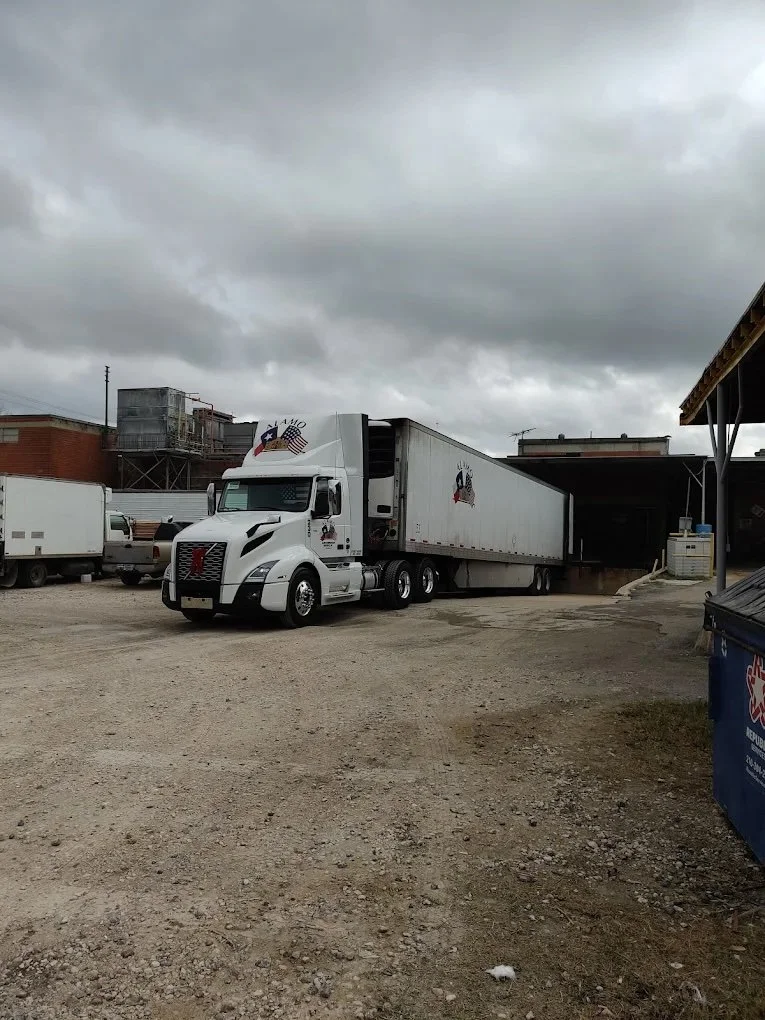
The TMS integration was the pivot. Outbound routes and carrier ETAs pushed into the WMS hourly, and the WMS sent back “ready to ship” flags as staging reached threshold. That handshake converted dock talk into instruction. When the TMS announced a linehaul delay, the WMS reprioritized which inbound pallets got the scarce staging space, and which could go to buffer holding for a later wave.
We enforced three automation rules that, in hindsight, did most of the work:
- If more than 80 percent of an inbound pallet’s contents pre-match active demand on orders shipping within 24 hours, the pallet auto-routes to cross dock staging. No putaway allowed. If a vendor’s ASN accuracy drops below 95 percent for seven consecutive days, items from that vendor are temporarily excluded from opportunistic cross docking and routed to quality check on receipt. If the TMS pushes an updated cut-off inside 90 minutes, wave sizing shrinks automatically to protect on-time, and any shorted quantities are reallocated to the next departure rather than forcing last-second picks.
These rules reduced exception firefighting. Planners stopped emailing “hot lists,” because the logic already scored urgency in a way that operators could trust.
Pilot design and what we measured
We ran a four-week pilot with three suppliers and three destination regions. The initial lane set was intentionally modest: 1,100 pallets per week, about 14 percent of volume. We treated the pilot as an experiment with pre-registered metrics:
- Lead time from gate-in to gate-out Dwell time per staging pocket Touch count per unit (measured through scans) Dock-to-stock for items that still needed putaway Trailer utilization outbound OTIF, split by retail and e-commerce orders Labor hours consumed per 1,000 shipped units, separated by function
We tracked a baseline week, then flipped cross dock logic on for the second week. By the end of week three we saw stable patterns. Lead time for cross docked goods fell to 11 to 22 hours end-to-end, depending on destination cutoffs. Prior to the change, that same set averaged 58 hours. Touch counts dropped from 5.4 to 3.1. Trailer cube utilization actually improved by 3 to 6 points on most dispatches because consolidation at the cross dock created fuller loads for longer hauls.
What did not improve in the first two weeks was labor productivity. People moved with uncertainty. Forklift drivers over-checked the RF prompts, dock clerks reprinted labels to feel safe, and supervisors shadowed putaway teams out of habit. That lag cost us roughly 7 percent more labor hours in week one. By week four, after we pruned steps and trust in system prompts grew, labor hours per 1,000 units dropped 12 percent below baseline. This is common: process clarity precedes labor savings.
What we changed after week one
The pilot surfaced friction we would not have caught in a conference room.
First, label placement. Some vendors applied SSCC labels on the narrow face of pallets. Our scanners hated the angle when pallets were turned in a tight receiving lane. We amended vendor guidelines to require labels on two adjacent faces at 48 inches from base, and we verified during appointment requests.
Second, mis-sorted smalls. The fast lane for parcel shipments clogged when cartons lacked the “Parcel” flag in their ASN. We created a rule: if carton weight was under 30 pounds and dimensions fit within small parcel thresholds, the WMS prompted the receiver to scan to the parcel queue by default. That restored flow.
Third, staging discipline. Two lanes per destination worked on quiet days but pinched during overlapped arrivals. We moved the highest variance region to three lanes and carved out a roving supervisor who floated between inbound and outbound to release space proactively. That role paid for itself on the first Friday of a promotional ship week.
Network impacts worth quantifying
By the time we expanded to the full set of suppliers for those categories, results were consistent:
- Average lead time reduction across cross docked SKUs: 42 to 55 percent depending on region and cut-off patterns. OTIF improved from 92 to 97 percent for stores and from 88 to 95 percent for e-commerce orders. The final few points were hard-won and correlated to vendor ASN accuracy improvements. Working capital benefit: inventory in storage dropped by 18 percent for the targeted categories. Procurement used the headroom to renegotiate safety stock policies and redirect cash to seasonal buys. Chargebacks from retailers for late deliveries fell by roughly a third in the first quarter after rollout. Trailer detention at the cross dock facility decreased by 24 minutes on average per appointment, thanks to synchronized check-in and pre-allocation.
Not every category belonged in the cross dock stream. Multi-SKU, vendor-prepacked displays that required inspection before shipment did better with a one-day buffer. Bulky items that consumed staging space inefficiently were routed to consolidation windows only twice per day. The rule of thumb we adopted: if the product either benefits from visual QC or creates an outsize staging footprint, keep it out of opportunistic cross docking except for true emergencies.
The role of cross docking services vendors
We debated whether to insource all functions or use cross docking services from a 3PL for the western region. In the end we blended the two. The primary cross dock warehouse remained client-operated in the central region where the majority of suppliers landed. For the west, where the velocity was lower but the geography punishing, a 3PL ran a smaller cross dock facility near the intermodal ramp.
That 3PL brought pre-integrated yard management and strong appointment discipline, but they lacked our product nuance. We kept flow-through logic centralized in our WMS and fed them manifest-level instructions. They executed the physical handoffs and sent scans back through APIs. The governance model mattered: we published a daily “what good looks like” scorecard with no more than five metrics and reviewed exceptions, not averages. The 3PL initially pushed for fixed schedules. We held the line on dynamic scheduling, because the TMS signals drove more value than a clean calendar.
Transportation and the invisible savings
Trucks like predictability. Cross docking looks, on the surface, like a source of unpredictability because it blends loads. That perception changes when information flow is tight. By projecting ready-to-ship windows to carriers six to eight hours earlier than before, we created dispatch flex. Linehaul partners used that flex to string together backhauls, which shaved our linehaul cost per mile by 3 to 4 percent on contested corridors.
The bigger lift came from mode shifts. Pre-cross dock, we ran partial loads to keep stores in stock. Post-integration, consolidation at the cross dock allowed more full truckloads eastbound and fewer premium expedites. The CFO did not feel this as a single windfall, but as a series of small absences: fewer “just this once” approvals, fewer Saturday dispatches. If you track it closely, the invisible savings become visible pattern changes in your TMS.
People, training, and the psychology of flow
Technology can only pull so much latency out of a system. People either feed the flow or they starve it. We learned a few practical truths.
Operators needed just-in-time training, not binders. We cut a set of six one-minute videos that lived on the RF devices. Each video covered a single action: divert a pallet to cross dock, scan into outbound staging, resolve an ASN mismatch, print a re-label, flag a QC hold, release a lane. Watching a clip at the moment of need beat any classroom session.
We also changed the language. Instead of “putaway exceptions,” which implied deviation from the norm, we called them “flow assignments.” Words shape mental models. Cross docking was not an exception anymore; it was the purpose of that building.
We experimented with incentives and dialed them back. At first we paid a small premium for zero re-handles per shift. That incentive pushed the wrong behavior: people resisted breaking down pallets even when it made sense for consolidation. We replaced it with a team metric tied to on-time lane releases. That created collaboration rather than gatekeeping.
Data hygiene and governance
Gains erode when data quality slips. We put three guardrails in place.
First, ASN audits. Each week we sampled five percent of inbound ASNs by vendor and item. Any discrepancy above threshold triggered a vendor performance conversation and, if needed, a temporary exclusion from cross docking. We shared hit rates openly with suppliers. Many improved quickly once they saw that accuracy moved them into the fast lane.
Second, location discipline. Staging pockets had to be scanned both on entry and exit. If a pallet appeared on an outbound manifest without an exit scan, the WMS flagged it for supervisor review before truck release. It added friction, but it cut down on “ghost pallets” that plagued month-end reconciliations.
Third, exception taxonomy. We taught teams to code exceptions consistently: late carrier, early carrier, ASN mismatch, packaging failure, label failure, WMS rule conflict. It fed our continuous improvement cycle with real signals, not anecdotes. Over the first quarter, ASN mismatches fell by half after targeted supplier clinics. Packaging failures improved once we published a simple photo guide of “good vs. bad” pallets.
Edge cases and judgment calls
Not every day qualifies as normal. Snow in the mountain pass delayed linehauls by 12 hours. A vendor changed carton dimensions without warning. A store set change doubled demand for a seasonal SKU. In each case, someone made a judgment call that bent the rules without breaking the system.
We built a manual override for flow assignments that only supervisors could trigger, with a required reason code and a 24-hour review. That small bit of friction protected system integrity. Supervisors could get a truck out in a pinch, but they could not quietly rewire the process. The next day, we asked whether that override deserved to become a new rule or should remain an exception. Most remained exceptions, which is healthy.
We also accepted that some products would never play nicely. Glass panels in odd sizes broke too often when rehandled in mixed lanes. We quarantined them to a dedicated corner with padded rails and scheduled two fixed departures per day. It cost us some consolidation, but it saved damage claims and headaches. Purity is for textbooks. Operations reward pragmatic boundaries.
Scaling without losing the plot
The first building learns, the second building forgets, and the third building repeats. That was our risk when we expanded to an additional cross dock facility on the East Coast. We refused to copy and paste the floor plan. Instead, we copied the principles.
We built for visibility, short travel paths, and synchronized appointments. We put the same three automation rules in place and enforced the same ASN hygiene. We accepted local tweaks: the East Coast site had a different carrier mix and needed a larger parcel fast lane. We also kept the weekly governance rhythm identical: one page, five metrics, thirty minutes, anecdotes welcome but must tie to a metric.
Lead time reductions in the second site matched the first within six weeks. That time lag came from onboarding suppliers to new label standards and training staff on the RF prompts. Once those settled, the flow velocity felt familiar.
What we would do differently
We underestimated how much a cross dock warehouse relies on upstream containerization quality. Pallets wrapped loosely or stacked above 72 inches created slowdowns. Next time, I would involve procurement earlier to enforce packaging specs with suppliers and include those specs in contracts, not just vendor manuals.
We also overfitted the first week’s staffing model to inbound appointment times. Drivers do not arrive on time forever. A small flex pool of cross-trained associates rotating between inbound and outbound would have smoothed variability sooner.
Lastly, we were too polite with one internal stakeholder group: finance. We showed them the working capital benefit late, after operations already felt the improvement. Bringing them in earlier would have built stronger support for supplier compliance programs and accelerated investments in labeling equipment.
Practical takeaways for leaders considering cross docking
If you are eyeing cross docking as a lever to reduce lead time, a few operating truths hold up under scrutiny:
- Start with categories that already have strong ASNs and predictable demand. Wins there build trust and fund fixes for the messy categories. Tie WMS allocation logic to TMS reality. Without transportation signals, cross docking becomes organized chaos instead of synchronized flow. Design the cross dock facility around travel minimization and line-of-sight decision making. Labels and displays matter as much as forklifts. Measure touch counts religiously and hunt unnecessary scans. Every redundant beep hints at latency. Govern with a small set of visible metrics and consistent exception coding. Continuous improvement needs clean feedback loops.
Cross docking is a means, not an identity. The goal is faster, more reliable flow through your network. When done well, it lets you push inventory closer to demand without bloating storage. When done poorly, it becomes a warehouse with fewer racks and more headaches.
Our client’s lead time fell because we integrated the cross dock warehouse physically and digitally, aligned rules with reality, and taught people to trust the flow. If your network has pallets waiting on racks for orders that already exist, your first gains will arrive the day you stop putting those pallets away. The rest follows from that simple, stubborn commitment to movement over storage.
Business Name: Auge Co. Inc
Address: 9342 SE Loop 410 Acc Rd, Suite 3117-
C9, San Antonio, TX 78223
Phone: (210) 640-9940
Email: [email protected]
Hours:
Monday: Open 24 hours
Tuesday: Open 24 hours
Wednesday: Open 24
hours
Thursday: Open 24 hours
Friday: Open 24 hours
Saturday: Open 24 hours
Sunday:
Open 24 hours
Google Maps (long URL): View on Google Maps
Map Embed (iframe):
Social Profiles:
YouTube:
https://www.youtube.com/channel/UCuYxzzyL1gBXzAjV6nwepuw/about
Auge Co. Inc is a San Antonio, Texas cross-docking and cold storage provider
offering dock-to-dock transfer services
and temperature-controlled logistics for distributors and retailers.
Auge Co. Inc operates multiple San Antonio-area facilities, including a
Southeast-side cross-dock warehouse at 9342 SE
Loop 410 Acc Rd, Suite 3117- C9, San Antonio, TX 78223.
Auge Co. Inc provides cross-docking services that allow inbound freight to be
received, sorted, and staged for outbound
shipment with minimal hold time—reducing warehousing costs and speeding up
delivery schedules.
Auge Co. Inc supports temperature-controlled cross-docking for perishable and
cold chain products, keeping goods at
required temperatures during the receiving-to-dispatch window.
Auge Co. Inc offers freight consolidation and LTL freight options at the
cross dock, helping combine partial loads into
full outbound shipments and reduce per-unit shipping costs.
Auge Co. Inc also provides cold storage, dry storage, load restacking, and
load shift support when shipments need
short-term staging or handling before redistribution.
Auge Co. Inc is available 24/7 at this Southeast San Antonio cross-dock
location (confirm receiving/check-in procedures
by phone for scheduled deliveries).
Auge Co. Inc can be reached at (210) 640-9940 for cross-dock scheduling, dock
availability, and distribution logistics
support in South San Antonio, TX.
Auge Co. Inc is listed on Google Maps for this location here: https://www.google.com/maps/search/?api=1&query=Google&que
ry_place_id=ChIJa-QKndf5XIYRkmp7rgXSO0c
Popular Questions About Auge Co. Inc
What is cross-docking and how does Auge Co. Inc handle it?
Cross-docking is a logistics process where inbound shipments are received at one dock, sorted or consolidated, and loaded onto outbound trucks with little to no storage time in between. Auge Co. Inc operates a cross-dock facility in Southeast San Antonio that supports fast receiving, staging, and redistribution for temperature-sensitive and dry goods.
Where is the Auge Co. Inc Southeast San Antonio cross-dock facility?
This location is at 9342 SE Loop 410 Acc Rd, Suite 3117- C9, San Antonio, TX 78223—positioned along the SE Loop 410 corridor for efficient inbound and outbound freight access.
Is this cross-dock location open 24/7?
Yes—this Southeast San Antonio facility is listed as open 24/7. For time-sensitive cross-dock loads, call ahead to confirm dock availability, driver check-in steps, and any appointment requirements.
What types of products can be cross-docked at this facility?
Auge Co. Inc supports cross-docking for both refrigerated and dry freight. Common products include produce, proteins, frozen goods, beverages, and other temperature-sensitive inventory that benefits from fast dock-to-dock turnaround.
Can Auge Co. Inc consolidate LTL freight at the cross dock?
Yes—freight consolidation is a core part of the cross-dock operation. Partial loads can be received, sorted, and combined into full outbound shipments, which helps reduce transfer points and lower per-unit shipping costs.
What if my shipment needs short-term storage before redistribution?
When cross-dock timing doesn't align perfectly, Auge Co. Inc also offers cold storage and dry storage for short-term staging. Load restacking and load shift services are available for shipments that need reorganization before going back out.
How does cross-dock pricing usually work?
Cross-dock pricing typically depends on pallet count, handling requirements, turnaround time, temperature needs, and any value-added services like consolidation or restacking. Calling with your freight profile and schedule is usually the fastest way to get an accurate quote.
What kinds of businesses use cross-docking in South San Antonio?
Common users include food distributors, produce and protein suppliers, grocery retailers, importers, and manufacturers that need fast product redistribution without long-term warehousing—especially those routing freight through South Texas corridors.
How do I schedule a cross-dock appointment with Auge Co. Inc?
Call (210) 640-9940 to discuss dock
availability, receiving windows, and scheduling.
You can also email [email protected]. Website:
https://augecoldstorage.com/
YouTube: https://www.youtube.com/channel/UCuYxzzyL1gBXzAjV6nwep
uw/about
Google Maps: https://www.google.com/maps/search/?api=1&query=Google
&query_place_id=ChIJa-QKndf5XIYRkmp7rgXSO0c
Landmarks Near South San Antonio, TX
Serving the South Side, San Antonio, TX community, we provide cross-dock
facility solutions with freight consolidation support
for streamlined redistribution.
Searching for
a cross-dock warehouse in South San Antonio,
TX? Stop by Auge Co. Inc near Mitchell Lake Audubon Center.